The Winter Roofing Checklist for Pensacola Homeowners
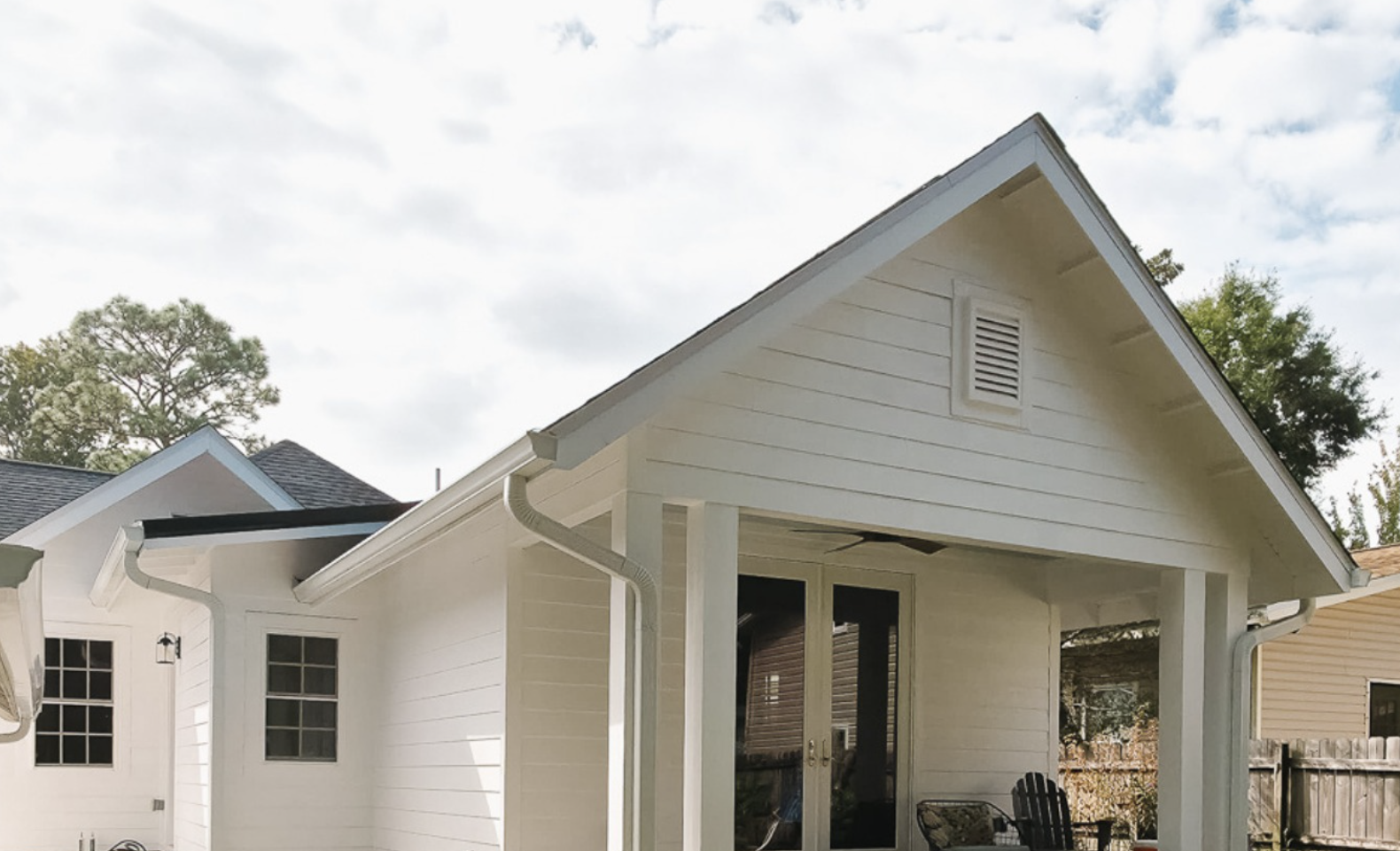
Winter slows everything down in Pensacola. The storms ease up. The rain comes soft and steady instead of sideways. Cool mornings roll in off the Gulf. This is when small roof problems start to show themselves. Not the big issues from hurricane season. The quiet ones. The ones you only notice when the weather calms down.
Most homeowners do not need a ladder to spot early warning signs. You can learn a lot about your roof just by walking the yard, looking at how water moves, and paying attention to how the house feels after a drizzle. Winter is the best season for this because the light rain and cooler air reveal what summer heat hides.
This checklist is simple. Five minutes here. Five minutes there.
It helps you catch problems early so spring storms do not surprise you. Just a calm look at the places where most Pensacola roofs show wear first.
Why Winter Is the Best Time for a Roof Check in Pensacola
Winter in the Panhandle is gentle. Cool nights. Light rain. Quiet wind. Those small changes make weak spots on a roof easier to see. When shingles stiffen in the cooler air, lifted edges become more noticeable from the ground. When the sun comes out after a drizzle, wet patches stand out against dry areas. These signs help you understand how your roof is aging.
Summer hides everything. The heat keeps shingles soft. Heavy rain rolls off too fast to show where water lingers. Winter slows everything down. Water sits just long enough to reveal how the roof handles moisture. You can see patterns you never noticed in July.
Homes in East Hill and Cordova Park show this clearly. The tree cover keeps roofs shaded in the morning. Damp spots stick around longer. Near Gulf Breeze and Navarre, winter winds lift older shingles just enough for you to see uneven lines from the driveway.
Winter shows the truth. Not in a scary way. In a helpful way. It is the best time to take a slow look before spring storms return.
Step 1: Look for Lifted or Uneven Shingles From the Ground
You do not need to climb anything for this step. Just walk your yard and look at the roofline. You are checking for shingles that no longer sit flat. Even a slight lift can let winter drizzle slide underneath.
Look for shadow lines along the edges. Corners that curl up. Spots where the shingle pattern looks uneven. Sometimes you will see one row that does not match the rest. That is usually a sign the seal broke during summer storms.
Homes near Gulf Breeze and Navarre see this more often because of strong winds off the water. A single windy night in December can lift older shingles just enough for daylight to slip under the tab. Once that happens, water finds a way in.
If you see anything that looks raised or crooked, it is worth getting a roofer to take a closer look. Catching it now keeps that small lift from turning into a leak by spring.
Step 2: Check the Roofline After Any Light Drizzle
Winter rain is gentle, and that is what makes it useful. Heavy storms rush off a roof too fast. Light drizzle sits. It shows you where water gathers and where it struggles to drain.
After a drizzle, step outside and look for dark patches that dry slower than the rest of the roof. These areas often point to soft decking, lifted shingles, or small pockets where water is sneaking under the surface. It is one of the easiest ways to spot a leak early.
This is especially helpful in neighborhoods with lots of tree cover like East Hill and Cordova Park. Shaded areas stay wet longer. If one corner of the roof stays damp hours after the rest has dried, something is going on under that section.
Winter drizzle is your friend. It gives you a clear picture of how well your roof handles slow moisture.
Step 3: Walk the Perimeter for Debris Buildup
Take a slow walk around your home and look up at the edges of the roof. You are checking for debris that collects in the same spots every winter. Leaves. Pine needles. Small branches. These piles trap moisture and push water sideways under shingles.
This is common in areas with heavy tree cover like East Hill, Cordova Park, and parts of Pace. Winter winds knock down fresh debris. It slides down the roof and settles right in the valleys. When it stays wet for days, the shingles underneath start to weaken.
You can spot trouble without touching anything. Just look for dark, matted piles sitting in one spot. If you see buildup hanging off the roof edge or sitting near a valley, that area deserves a closer look from a roofer. Clearing it and checking the shingles below can stop a leak before it starts.
Step 4: Look at Gutters and Downspouts Without Touching Them
You do not need to clean your gutters for this step. You just need to look. Stand back and check if the gutters look full or sagging. A sag usually means water has been sitting there longer than it should.
Then check the ground near the downspouts. If you see dark, sand like grit around the base, those are shingle granules. When shingles start to age, they shed granules into the gutters. Winter rains wash them out. Finding a handful on the ground is a sign the roof surface is wearing down.
Overflow marks are another clue. If you see streaks on the siding where water spilled over the gutter, it means the system could not handle even light winter rain. That overflow pushes water back under the first row of shingles.
Gutters and downspouts tell the story of how your roof handled last season. Winter is the easiest time to read those signs.
Step 5: Inspect Anything Sticking Out of the Roof
Vents. Pipe boots. Chimneys. These are the most common leak spots on a Pensacola roof, and you can check them safely from the ground.
Look for cracked or faded rubber around the plumbing vents. If the boot looks brittle or pulled away, water can slip right under it during a drizzle. Check the metal around chimneys and roof vents too. If it looks crooked, rusted, or lifted on one side, that flashing is not sealing the way it should.
This is a big issue in Gulf Breeze and Navarre where salt air wears down rubber and metal faster. Homes near the water often need these parts replaced sooner than expected.
You do not need to touch anything. Just look for discoloration, cracks, or anything that seems out of place. These small details tell you a lot about the roof’s overall health.
Step 6: Check the Ceiling Inside for Early Leak Signs
Some leaks never show up outside first. They reveal themselves inside the home long before you notice anything on the roof. Winter makes these signs easier to see.
Walk through the hallways and closets. Look at the ceilings in bathrooms and near vents. You are checking for faint rings, small bubbles in the paint, or thin lines that look like water tried to run down the surface. These tiny clues usually mean a slow attic leak is already moving.
Homes in Pace, Milton, and Beulah show this more because attics stay warmer there, which keeps moisture from drying out. That slow leak sits, spreads, and finally reaches the drywall.
You do not need to panic if you see a small mark. It may only need a simple roof repair. But it does mean it is time to get a roofer to inspect the area before the problem moves into other rooms.
Step 7: Look Around the Exterior Walls for Water Trails
Sometimes a roof leak shows up on the outside of the house before it ever reaches the ceiling. Winter drizzle makes these signs easier to notice.
Walk around your home and look for thin, dark streaks running down the siding near roof edges or additions. These trails mean water is spilling over or leaking behind the fascia. It can also mean a gutter overflowed and pushed water in the wrong direction.
This happens a lot on homes with different roof lines, especially additions built onto older East Hill or East Pensacola Heights houses. A small low slope section or an awkward corner can let water drift toward the wall instead of away from it.
You are not looking for flooding or big stains. Just small lines. Patterns that repeat. These are early warnings that the roof is not draining the way it should.
A roofer can fix this before the moisture spreads into the wall cavity or attic.
Step 8: Watch How Water Moves During a Light Rain
Winter drizzle is the best teacher when it comes to roof behavior. The rain falls slow enough for you to watch how water moves across your home. You can see where it flows smoothly and where it hesitates.
Stand under a covered spot and look at the roof during a light rain. Notice if water pools in one area or rushes too fast off another. Watch the valleys. If water slows down there or spreads out instead of flowing cleanly, debris or lifted shingles may be blocking the path.
Look at the roof edges. If you see water dripping behind the gutter instead of into it, the drip edge might be pulling away. If water shoots over the gutter during a small rain, the gutter is likely clogged or pitched wrong.
Families in Gulf Breeze and Navarre often see water whipping sideways during winter fronts. Winds push rain into weak spots, giving you a clear view of which shingles are not sealing tight.
You can learn a lot in five minutes. Winter rain tells the truth if you watch it.
Step 9: Notice Any Wind Noises or Rattling
Winter fronts move through the Panhandle with sharp north winds. These winds are not strong enough to cause major storm damage, but they are perfect for revealing loose shingles.
If you hear a light flap, a rattle, or a tapping sound near the roof during a windy night, it usually means a shingle tab has lifted. This often happens on older roofs in Navarre, Gulf Breeze, and along open lots in Beulah where wind has a clear path.
You may not hear it every time. Sometimes it is just one gust at the right angle. But any roof noise that was not there last year deserves attention. A lifted tab will not fix itself. It only makes room for water to creep in during the next drizzle.
Listening on windy nights is one of the easiest winter checks you can do.
Step 10: When to Call a Roofer After This Checklist
This checklist helps you spot early signs, but you do not need to diagnose anything on your own. If something looked off, even a little, winter is the right time to get a roofer involved.
Reach out if you saw lifted shingles, slow drying patches, cracking around vents, granules on the ground, inside stains, or anything that felt unusual. These are simple issues when caught early. They become expensive only when ignored until spring storms arrive.
A good roofer will take photos, walk you through the findings in plain English, and explain your options without pressure. Some things need a quick repair. Some things need monitoring. And some roofs are simply reaching the age where replacement is the smarter long term move.
Winter is calm. It is the perfect season to understand your roof before heavy rain returns.
How Pensacola Weather Shapes Winter Roof Wear
Pensacola roofs age in ways that surprise people new to the Gulf Coast. Salt air dries shingles faster near Gulf Breeze and Navarre. Tree cover in East Hill keeps roofs damp long after a drizzle. Older homes in East Pensacola Heights and Cordova Park have patchwork repairs from storms years ago, and winter air exposes every one of them.
Even light rain here carries its own fingerprint. It hangs in the valleys. It blows sideways during north winds. It settles under lifted shingles and shows you weak spots that summer heat hides.
Winter is the season you finally see how your roof has handled the past year. Every dark patch. Every slow drying corner. Every lifted edge. These clues help you understand what your home needs before spring storms return to the Panhandle.
If you saw anything during this checklist that did not look right, we can take a look. No pressure. Just a simple inspection with photos and clear next steps.
Winter is the calmest time to understand your roof, and we are here to help you make the right call for your home.