What Is Roof Flashing and Why It Matters in Pensacola
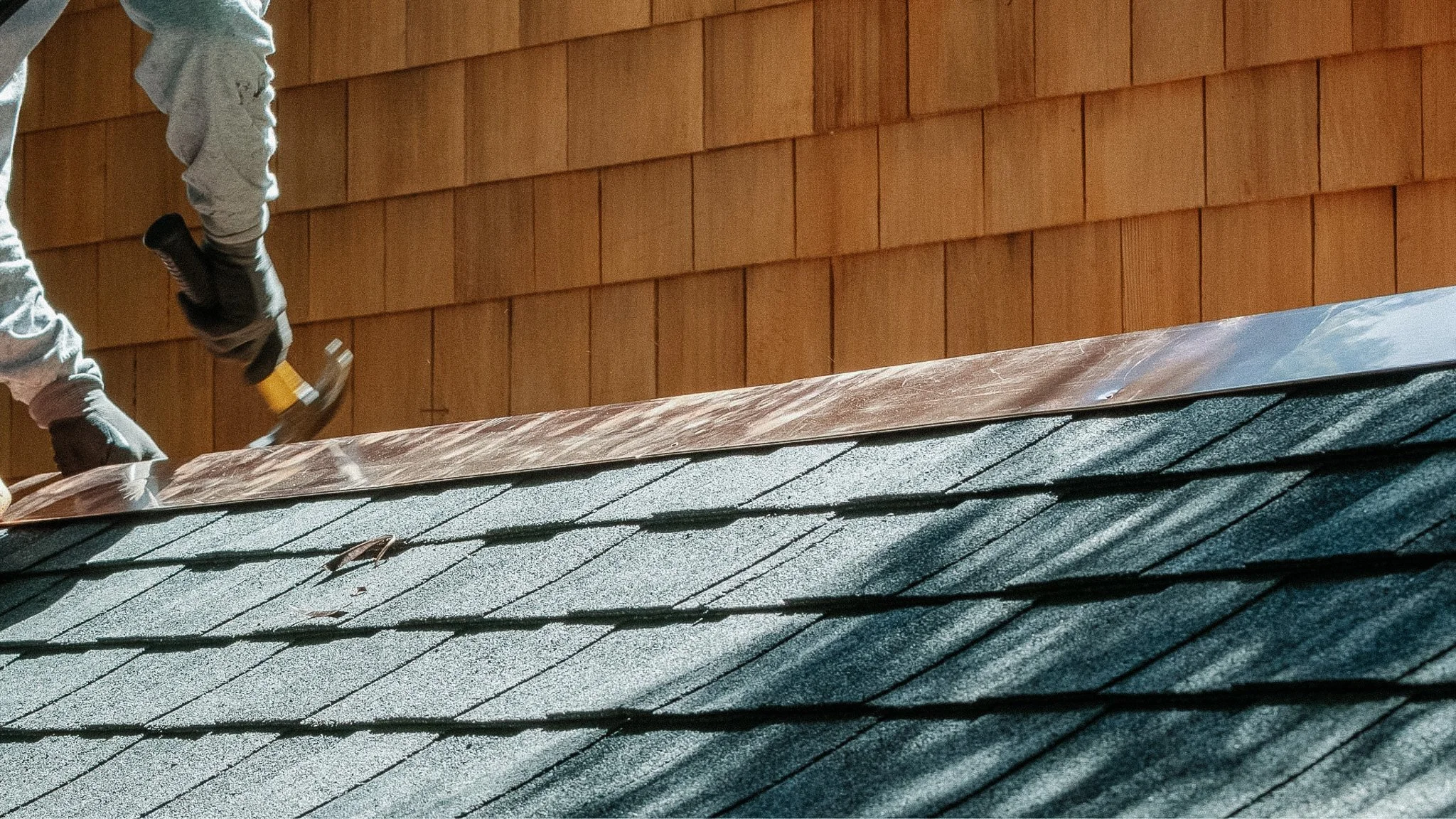
Most homeowners don’t think about roof flashing.
Until there’s a leak.
It’s not the most visible part of your roof. You won’t notice it from the street.
But it plays a huge role in keeping water out of your home—especially here in Pensacola, where heavy rain and storms are just part of life.
If flashing fails, your roof can leak even if your shingles are in good shape.
Let’s break down what it is and why it matters so much on the Gulf Coast.
What Is Roof Flashing?
Roof flashing is a thin material—usually metal—that’s installed in areas where water is most likely to get in.
Think of it as a barrier that directs water away from vulnerable spots.
You’ll typically find flashing around:
• Chimneys
• Roof vents
• Skylights
• Valleys where two roof slopes meet
• Edges and transitions
These are all areas where shingles alone aren’t enough to keep water out.
Flashing works with your roofing system to seal those gaps and guide water safely off the roof.
Why Flashing Matters More in Pensacola
In some parts of the country, flashing is important.
In Pensacola and surrounding areas in Florida, it’s critical.
We deal with:
• Heavy rain that comes down fast
• Wind-driven rain during storms
• High humidity year-round
• Occasional hurricanes
That combination puts a lot of pressure on every weak point in your roof.
When rain is blowing sideways during a storm, water doesn’t just run down your roof. It gets pushed into seams, corners, and edges.
That’s exactly where flashing is supposed to do its job.
If it’s installed properly, you’ll never think about it.
If it’s not, you’ll find out the hard way.
Common Flashing Problems We See
Flashing issues are one of the most common causes of roof leaks in Escambia and Santa Rosa County.
Here’s what we typically run into:
Loose or Lifted Flashing
High winds can slowly loosen flashing over time, especially around vents and chimneys.
Rust and Corrosion
Salt air along the Gulf Coast can break down metal components faster than expected if the wrong materials are used.
Cracked or Dried-Out Sealant
Sealants around flashing can dry out from heat and UV exposure, creating small openings where water can get in.
Poor Installation
This is a big one.
If flashing isn’t installed correctly during a roof replacement, it can fail long before the shingles do.
Why Flashing Failures Cause Hidden Damage
One of the tricky things about flashing problems is that they don’t always show up right away.
Water can get in slowly.
It might soak into the decking. It might travel along beams. It might sit in insulation.
By the time you notice a stain on your ceiling, the damage has usually been there for a while.
That’s why flashing issues can turn into:
• Mold growth
• Wood rot
• Interior drywall damage
• Insulation problems
And all of that adds up quickly.
Flashing vs Shingles: What Fails First?
A lot of homeowners assume shingles are the weak point of a roof.
But in many cases, flashing fails first.
Shingles cover large areas and are designed to shed water. Flashing protects the smaller, more complex areas where leaks are more likely to happen.
When flashing is done right, your whole roofing system works better.
When it’s done wrong, even a newer roof can have problems.
Can Flashing Be Repaired?
In many cases, yes.
If the issue is caught early, flashing can often be repaired or resealed without replacing the entire roof.
But timing matters.
If water has already caused deeper damage underneath, repairs can become more involved.
That’s why inspections are so important, especially after storms.
Protecting Your Roof in Pensacola
Flashing may not be the most noticeable part of your roof, but it’s one of the most important.
In a place like Pensacola, where weather conditions are tough on roofing systems, small details like flashing make a big difference.
At MISTI Roofing, we pay close attention to these areas during every inspection, repair, and replacement.
It’s not just about shingles—it’s about the whole system working together.
If you’re dealing with a leak or just want to make sure everything is in good shape, contact us for a free roof inspection and quote in Pensacola, Gulf Breeze, or Milton and surrounding areas in Florida!