How Humidity and Salt Air Affect Roofs on the Gulf Coast
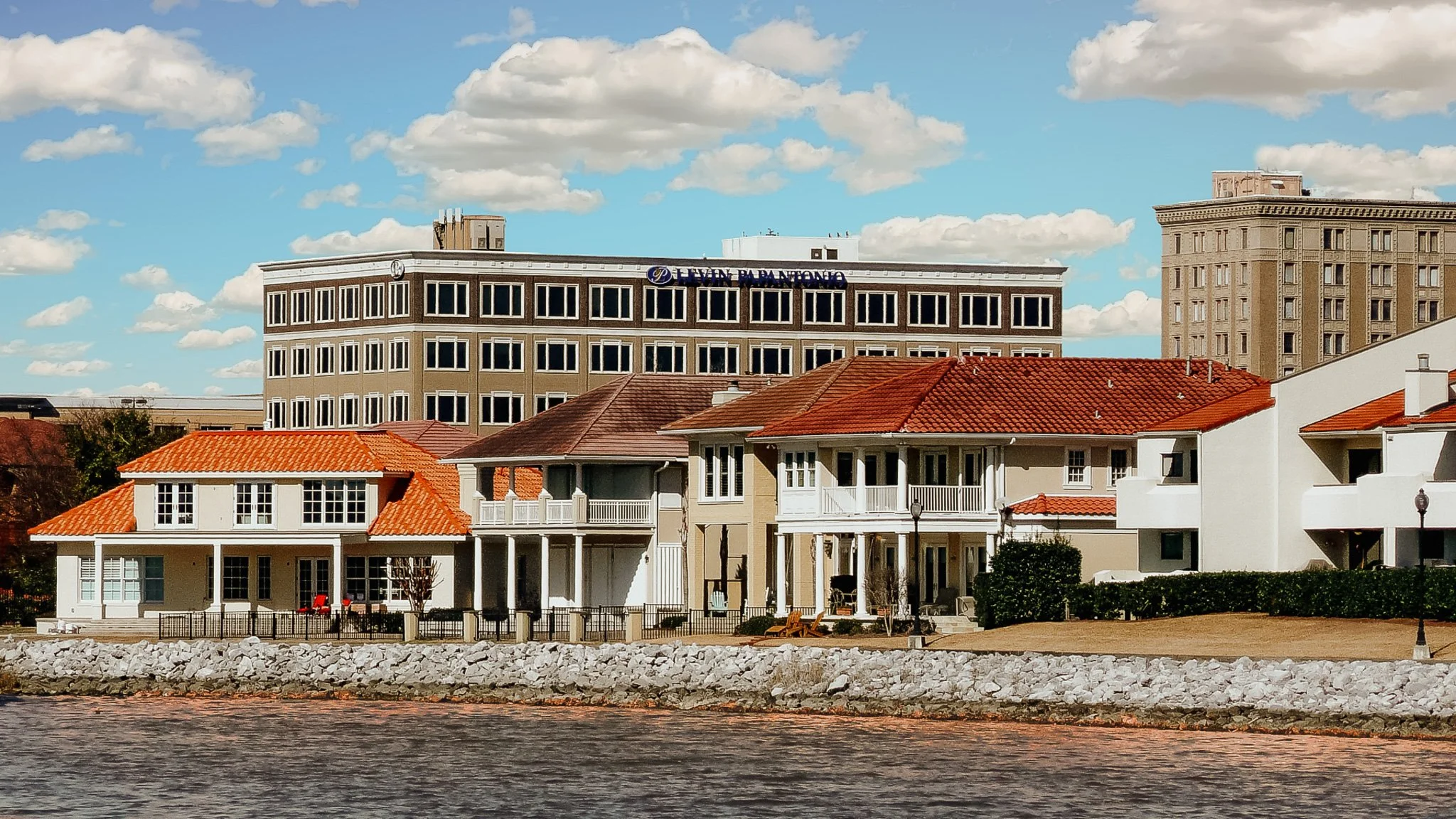
If you live anywhere along the Gulf Coast — Pensacola, Gulf Breeze, Navarre, Milton — your roof deals with conditions that homes in most other parts of the country never see.
Heat is part of it. Storms are part of it.
But two of the biggest factors homeowners don’t think about very often are humidity and salt air.
They’re always there.
Day after day. Year after year.
And over time, they slowly wear down roofing materials in ways many people don’t realize until problems start showing up.
Let’s talk about what’s actually happening up there.
Constant Humidity Speeds Up Wear and Tear
Humidity is just a normal part of life on the Gulf Coast. You feel it when you walk outside in July.
But that moisture in the air also affects your roof.
When humidity levels stay high for long periods, roofing materials never fully dry out after rain or morning dew. That constant moisture can slowly break down shingles, sealants, and flashing.
Asphalt shingles are especially sensitive to this over time. Moisture can cause them to weaken, lose granules faster, and age quicker than they would in a drier climate.
Even metal roofing systems can feel the effects if they’re not installed with the right coatings and corrosion protection.
It’s one of the reasons roofs in Florida often have a shorter lifespan compared to roofs in cooler or drier states.
Salt Air Is More Corrosive Than Most People Realize
If you’re anywhere near the water — even several miles inland — salt in the air becomes a factor.
That salty coastal breeze carries tiny particles that settle on roofs, gutters, vents, flashing, and fasteners.
Over time, that salt starts to break down metal components.
You may notice it first on things like:
• Roof flashing
• Fasteners and screws
• Metal vent pipes
• Gutters and downspouts
Salt accelerates corrosion. That’s why coastal roofing systems often require specialized coatings or stainless steel hardware.
Without the right materials, metal components can deteriorate faster than expected.
Algae and Mold Thrive in Humid Conditions
Another thing homeowners around Pensacola see pretty often is dark streaks on their roof.
That’s usually algae.
Warm temperatures and high humidity create the perfect environment for algae growth on shingles. It doesn’t always damage the roof immediately, but over time it can affect appearance and even shorten the life of the shingles.
Mold and mildew can also grow in areas where moisture stays trapped, especially if ventilation isn’t ideal.
Proper attic ventilation plays a huge role in preventing this.
When air can move freely through the attic, it helps reduce moisture buildup that feeds algae and mold growth.
Sealants and Flashing Break Down Faster
Every roof has multiple sealed areas.
Around vents. Chimneys. Skylights. Pipe boots.
These spots rely on sealants to keep water out.
Humidity and constant UV exposure can cause those sealants to dry out, crack, or separate earlier than expected. Once that happens, water can begin slipping into the roofing system underneath.
The frustrating part is that these issues often stay hidden until they turn into interior leaks.
That’s why periodic inspections are so important in coastal environments.
Storms Make the Problem Worse
Humidity and salt air slowly weaken roofing materials.
Storms expose the damage.
When a roof has already been stressed by years of moisture and salt exposure, it’s more vulnerable during high winds or heavy rain.
Shingles lift more easily. Flashing pulls away. Sealants fail.
This is one reason coastal roofing systems need to be installed with hurricane conditions in mind from the start.
What Gulf Coast Homeowners Can Do
Living near the coast doesn’t mean roofing problems are inevitable.
But it does mean maintenance matters more.
Homeowners around Escambia and Santa Rosa County can protect their roofs by:
• Scheduling periodic roof inspections
• Keeping gutters clean so moisture drains properly
• Addressing small repairs quickly
• Making sure attic ventilation is working correctly
• Using materials designed for coastal climates
When roofs are built and maintained properly, they can hold up extremely well even in Gulf Coast conditions.
Protecting Your Roof in Pensacola
Your roof takes more abuse than almost any other part of your home.
Between humidity, salt air, storms, and intense sun, roofing systems in Northwest Florida need to be built and maintained with those conditions in mind.
At MISTI Roofing, we work with homeowners across Pensacola, Gulf Breeze, Pace, Escambia County, and Santa Rosa County to make sure their roofs are ready for the Gulf Coast environment.
If you’re not sure how your roof is holding up, contact us for a free roof inspection and quote.
It’s always better to catch small issues before they turn into major repairs.