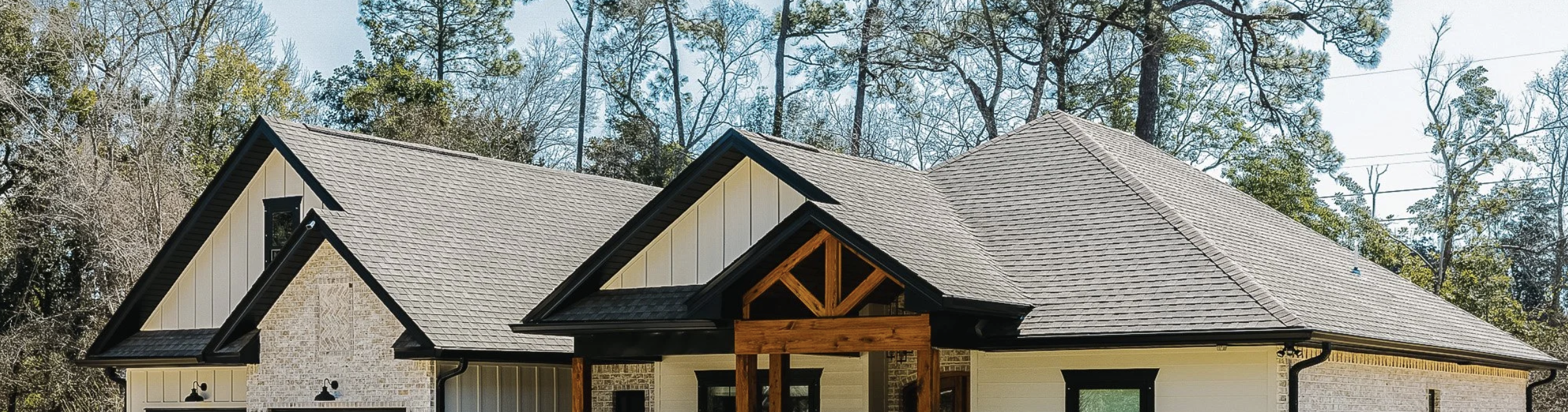
If your electric bill in Pensacola feels higher as the temperature starts rising outside (which it has been this week!), your roof might be part of the problem.
Most homeowners think about insulation or their AC unit when energy costs climb.
But the truth is, your roof plays a huge role in how much heat enters your home in the first place.
And in Northwest Florida, that matters a lot.
Between intense sun, long humid summers, and warm nights that don’t cool down quickly, homes in Escambia and Santa Rosa County work hard to stay comfortable.
If your roofing system isn’t built or maintained properly, it can make your AC work overtime.
Let’s talk about how that happens.
Heat Starts at the Roof
Your roof is the first place sunlight hits your home.
During summers in Pensacola and the surrounding areas, roof surfaces can reach temperatures well over 150 degrees. That heat doesn’t just stay outside. It transfers into your attic space and eventually into your living areas.
When that happens, your air conditioner has to work harder to keep your home cool.
The harder it works, the more electricity you use.
Over time, that extra strain can also shorten the lifespan of your HVAC system.
Roofing Materials Make a Difference
Not all roofing materials handle heat the same way.
Asphalt shingles, especially darker colors, tend to absorb heat. That warmth transfers into the attic below.
Metal roofing, on the other hand, reflects a large portion of the sun’s energy instead of absorbing it. This can reduce heat buildup in the attic and improve overall energy efficiency.
That’s one reason metal roofs have become more popular across Pensacola, Gulf Breeze, and Milton.
But material alone isn’t the whole story.
Attic Ventilation Is Critical
This is one of the most overlooked factors in energy efficiency.
Without proper ventilation, hot air gets trapped in the attic. Temperatures in poorly ventilated attics can reach 130 to 150 degrees during the summer.
That heat radiates down through the ceiling into your home.
Proper ventilation allows hot air to escape while pulling in cooler outside air. This helps regulate attic temperature and reduces the strain on your air conditioning system.
Good roofing systems typically include a combination of:
• Ridge vents
• Soffit vents
• Proper airflow pathways
When ventilation is balanced correctly, it can make a noticeable difference in both comfort and energy costs.
Roof Age Can Affect Efficiency
Older roofs often lose efficiency over time.
Shingles can deteriorate. Underlayment can weaken. Ventilation systems may not meet modern building standards.
If your roof is 15 to 20 years old, it may not be performing as efficiently as newer systems designed for Florida’s climate.
Even small issues like cracked flashing, worn sealants, or damaged shingles can allow heat and moisture to enter the structure more easily.
A professional inspection can reveal whether your roof is contributing to higher energy costs.
Insulation Works With Your Roof
While insulation isn’t technically part of the roof itself, it works together with your roofing system.
If attic insulation is insufficient or uneven, heat from the roof transfers more easily into the home.
Modern roofing upgrades often include evaluating insulation levels at the same time.
Improving both together creates a much more energy-efficient system.
Small Roofing Problems Can Increase Cooling Costs
You might not notice small roofing issues right away.
But things like lifted shingles, damaged flashing, or small leaks can allow hot air and moisture into the attic.
Humidity makes cooling systems work harder because the AC has to remove moisture from the air while lowering the temperature.
In a humid climate like Pace or Pensacola, that can add up quickly.
Catching small roofing issues early helps keep your home comfortable and prevents unnecessary energy loss.
What Pensacola Homeowners Can Do
If you’re concerned about rising energy bills, it may be worth taking a closer look at your roof.
A roofing inspection can help identify:
• Ventilation problems
• Aging materials
• Hidden damage
• Opportunities for efficiency improvements
Many homeowners are surprised to learn how much difference a well-designed roofing system can make.
Protect Your Home and Lower Energy Costs
Your roof does more than protect your home from rain and storms.
It also plays a major role in temperature control and energy efficiency.
At MISTI Roofing, we help homeowners across Pensacola, Gulf Breeze, Pace, Escambia County, and Santa Rosa County make sure their roofing systems are performing the way they should.
Whether it’s improving ventilation, repairing damage, or replacing an aging roof, we focus on solutions that hold up in Gulf Coast conditions.
Contact us today for a free roof inspection and quote if you’d like to make sure your roof isn’t driving up your energy bills.