Why Some Roofs Fail During Hurricanes (and Others Don’t)
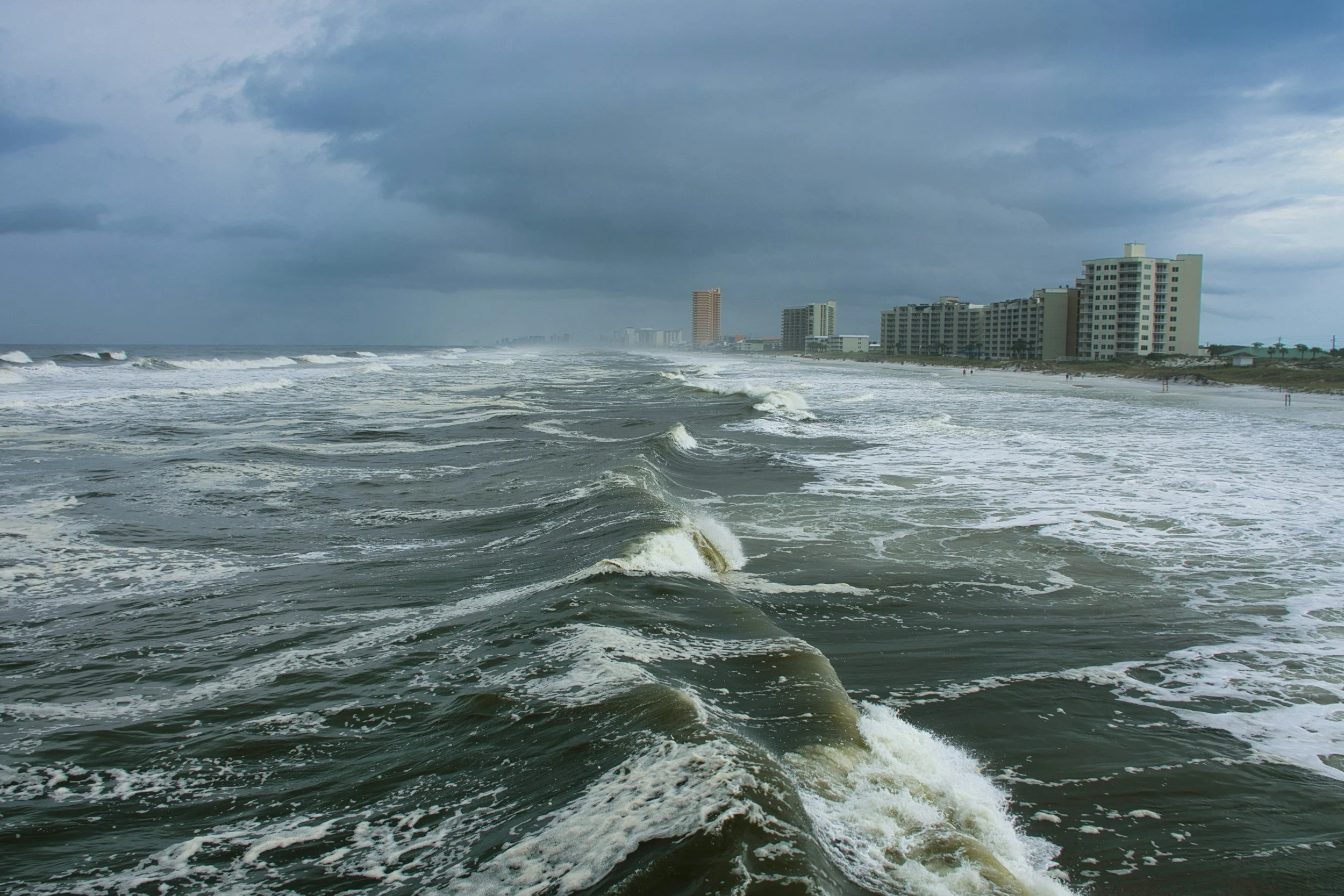
Every time a big storm rolls through Pensacola, you see the same thing.
One house loses half its shingles. Maybe even sections of the roof.
Then right next door, everything looks fine.
Same storm. Same wind.
Totally different outcome.
So what gives?
It’s not random. And it’s definitely not luck.
There are a few reasons this happens over and over again across Pensacola, Gulf Breeze, Milton, Pace, Perdido, and really the whole Gulf Coast.
It Usually Comes Down to How the Roof Was Installed
This is the biggest one. No question.
You can have the best shingles money can buy. Doesn’t matter.
If the roof wasn’t installed right, it’s not going to hold up when the wind starts pushing on it.
In Florida, there are very specific ways roofs are supposed to be installed.
Nail placement. Sealing. Flashing.
All of it matters more than most homeowners realize.
And here’s the thing.
You won’t notice bad installation on a calm, sunny day.
But a hurricane will find every weak spot real fast.
Wind Doesn’t Just Hit Your Roof… It Tries to Pull It Off
Most people picture wind hitting the side of the house.
That’s not really what does the damage.
During a storm, wind creates lift.
It actually pulls up on your roof, especially around the edges and corners.
That’s usually where problems start.
If those areas aren’t locked down properly, wind can get underneath and start peeling things back.
And once it starts, it doesn’t take much for it to keep going.
Older Roofs Don’t Handle Storms the Same
This is another big one people underestimate.
Roofs don’t just wear out from rain.
They wear out from the sun, heat, humidity, and salt air we deal with here year-round.
After enough time, shingles get brittle.
They lose their flexibility. The adhesive that holds them down isn’t as strong anymore.
So when a storm hits, they don’t have much fight left in them.
That’s why two houses can look similar from the street, but one roof holds and the other doesn’t.
Age matters more than people think.
Most Failures Start at the “Small Stuff”
It’s almost never the middle of the roof that fails first.
It’s the details.
Around vents. Around chimneys. Along roof edges. In valleys where water runs.
If flashing is loose… if something wasn’t sealed right… if a piece was rushed during installation…
That’s where wind and water get in.
And once they do, it spreads quick.
A roof is only as strong as its weakest spot.
Small Problems Don’t Stay Small in a Storm
A slightly lifted shingle.
A tiny gap around flashing.
Something you’d never notice just looking up from the yard.
On a normal day, no big deal.
During a hurricane, that’s exactly where the problem starts.
Wind gets under it. Water follows. And now you’ve got damage that spreads across the roof instead of staying in one spot.
Materials Matter… But Not As Much As You Think
People always ask about materials.
Metal vs shingles. Impact-rated this. Wind-rated that.
And yeah, materials do matter.
But installation matters more.
A properly installed shingle roof will outperform a poorly installed metal roof every time.
The system has to work as a whole. Not just look good on paper.
The Roofs That Hold Up Usually Have a Few Things in Common
When we see roofs that come through storms without much damage, they usually check the same boxes.
✓ They were installed right.
✓ They’re not at the end of their life.
✓ Flashing and edges were done correctly.
✓ Nothing was left loose or overlooked.
It’s not one magic feature.
It’s just everything being done the way it should be.
The Best Time to Find Problems Isn’t After the Storm
A lot of people wait until something happens.
That’s usually when it gets expensive.
The better move is to catch issues before storm season ramps up.
Especially around here.
A quick inspection can catch things like:
• Loose shingles
• Weak spots around flashing
• Early signs of wear
• Areas that might fail under pressure
And fixing those ahead of time is a whole lot easier than dealing with storm damage after the fact.
Living on the Gulf Coast Means Being Ready
Storms are just part of life in Pensacola, Gulf Breeze, Milton, Pace, and Perdido.
You can’t avoid them.
But you can make sure your roof is ready for them.
At MISTI Roofing, we look at the whole system. Not just what’s obvious. We check the details that usually cause problems later.
If you want to know how your roof would hold up in a storm, reach out for a free roof inspection and quote.
It’s a lot better to find out now than when the wind starts picking up.